

Understanding Forex Trading
Forex trading, also known as foreign exchange trading or currency trading, involves the buying and selling of currencies in the foreign exchange market. This market is one of the largest and most liquid financial markets globally, with a daily trading volume that surpasses $6 trillion. In essence, forex trading is about exchanging one currency for another with the aim of making a profit from the fluctuations in exchange rates. Whether you are a beginner or a seasoned trader, understanding the basic concepts of forex trading can help you make informed decisions and enhance your trading potential. To get started, it’s vital to choose the forex trading definition Best Platforms for Trading that suit your needs and trading strategy.
What is Forex Trading?
At its core, forex trading involves the simultaneous buying of one currency while selling another. Currencies are traded in pairs, such as EUR/USD (Euro/US Dollar) or GBP/JPY (British Pound/Japanese Yen). The first currency in the pair is known as the base currency, while the second one is the quote currency. The exchange rate between the two determines how much of the quote currency you need to buy one unit of the base currency. For example, if the EUR/USD pair is trading at 1.10, this means 1 Euro is equivalent to 1.10 US Dollars.
The Importance of Currency Trading
Forex trading plays a crucial role in the global economy. It enables businesses to conduct international transactions, investors to speculate on currency movements, and governments to manage their monetary policies. The foreign exchange market operates 24 hours a day, five days a week, making it highly accessible. With numerous participants such as banks, corporations, institutional investors, and retail traders, forex trading contributes to the liquidity and efficiency of the global financial system.
How Does Forex Trading Work?
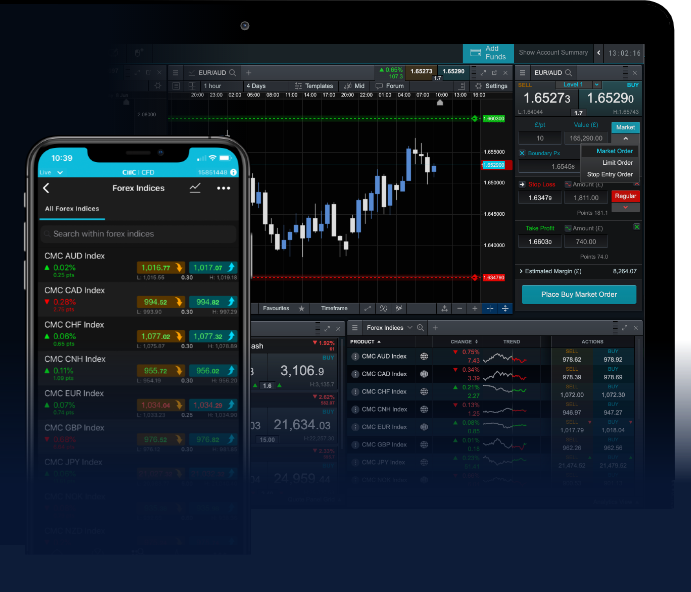
In forex trading, traders use various strategies and analysis techniques to predict future price movements. The main types of analysis are fundamental analysis, which focuses on economic indicators and news events, and technical analysis, which analyzes historical price data and market trends. Traders can execute trades through different methods, including market orders, limit orders, and stop-loss orders. It’s essential for traders to have a solid understanding of risk management to protect their capital and optimize their trading strategies.
Key Concepts in Forex Trading
To successfully navigate the forex market, traders should familiarize themselves with several key concepts:
- Pips: A pip (percentage in point) is the smallest price movement in a currency pair. For most pairs, it refers to the fourth decimal place, though for pairs involving the Japanese Yen, it is the second decimal place.
- Leverage: Leverage allows traders to control larger positions with a smaller amount of capital. While it can amplify profits, it can also increase potential losses.
- Margin: Margin refers to the amount of money a trader needs to put up as collateral to open a leveraged position. It is expressed as a percentage of the full position size.
- Spread: The spread is the difference between the bid price (the price at which you can sell) and the ask price (the price at which you can buy). Brokers often charge a spread as their fee for facilitating a trade.
Forex Trading Strategies
There are various trading strategies that traders can employ in the forex market. Some popular ones include:
- Day Trading: This involves opening and closing trades within the same trading day, aiming to capitalize on short-term price movements.
- Swing Trading: Swing traders hold positions for several days or weeks, aiming to profit from medium-term price fluctuations.
- Scalping: Scalpers make numerous trades throughout the day, looking for small price movements to secure quick profits.
- Position Trading: This long-term strategy entails holding trades for an extended period, often based on fundamental analysis and economic indicators.
Risks Associated with Forex Trading
While forex trading offers numerous opportunities, it also comes with inherent risks. Market volatility can lead to significant price fluctuations, which can result in substantial losses for traders. It is crucial to implement proper risk management strategies, such as setting stop-loss orders, diversifying your portfolio, and only risking a small percentage of your capital on any single trade. Additionally, traders should stay informed about geopolitical events and economic data releases, as these can impact currency prices dramatically.
Conclusion
In conclusion, forex trading is an intricate and dynamic field that requires a solid understanding of its fundamental concepts and strategies. By grasping the essence of currency pairs, market mechanics, and risk management, traders can enhance their chances of profitability. Whether you choose to engage in day trading, swing trading, or position trading, ongoing education, practice, and adaptability to market changes are essential to success in forex trading. As you embark on your trading journey, remember to choose the right trading platform and stay informed about market trends to optimize your trading experience.